Where ideas find form...
and pixels find purpose.
Explore thoughts on design, development, and everything in between. Techniques, lessons learned, insights gained, and more!
HTTP vs. HTTPS: What's the Difference Anyway?
As you’ve surfed the web, you might have noticed that some URLs start with HTTP while others start with HTTPS.
At first glance, that one extra letter doesn’t seem like it would make a very big difference… But if your site handles any kind of sensitive information, that “S” can make a huge difference for your visitors and online reputation.
Let’s break down what it means from top to bottom and find out what all those letters stand for, why they are important, and how switching to HTTPS can actually help your website perform better.
What Is HTTP?
HTTP stands for HyperText Transfer Protocol.
It sounds pretty technical and complicated, but it’s actually pretty simple. It’s the basic system that allows your web browser (like Google Chrome, Microsoft Edge or Safari) to communicate with a website’s server and load all of its content, including text, images, animations, and more.
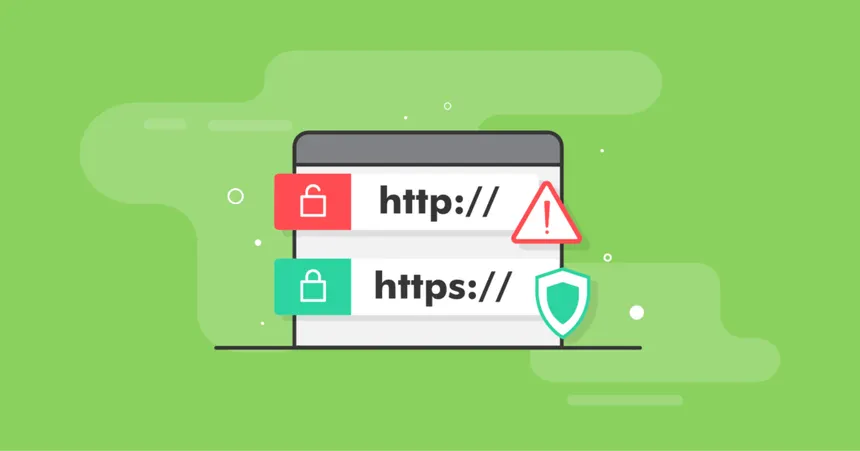
However, the problem with regular HTTP is that the data being sent - like form submissions, login info, or even browsing behavior - isn’t encrypted. That means it is vulnerable to interception by hackers or malicious software.
What Is HTTPS?
HTTPS stands for HyperText Transfer Protocol Secure.
Pretty unoriginal, but it gets right to the point: HTTPS uses encryption - a process that locks any and all data being shared between your browser and the site’s server behind a digital certificate called SSL (Secure Sockets Layer). This keeps all the information sent between your website and visitors private and secure.
A website using HTTPS will have that aforementioned “S” in the URL, but most browsers will also show a padlock icon next to its URL to let users know the site is safe to browse.
Why HTTPS Matters for Small Businesses
You might think HTTPS only matters for big companies or e-commerce stores. In reality, every website needs it these days. Here’s why:
1. It Builds Trust
When visitors see that padlock in their browser, they know your website is secure. Without HTTPS, browsers may show warnings like “Not Secure,” which will scare potential customers away (especially since most users don’t even really know what that means). It’s a costly and avoidable mistake, especially if your site doesn’t even handle sensitive data.
2. It Helps Your Google Rankings
Google officially gives ranking preference to secure (HTTPS) websites. That means switching from HTTP to HTTPS can directly improve your Search Engine Optimization (SEO) performance, thus helping your site appear higher in search results for your target keywords (learn more about SEO in this article).
So if you’re currently investing in digital marketing or are looking to get into affordable web design and SEO, HTTPS is a must-have.
3. It Protects Customer Data
HTTPS ensures that information stays private. Without it, even if your form only takes in a customer’s name and email address, that data might be valuable enough to be sold. For instance, a customer might put in their name and email address for a quote on a new appliance. If this data gets stolen and sold by a malicious entity, they might suddenly find their inbox full of unwanted and seedy ads for appliances. Implementing HTTPS sidesteps this issue and is especially important for building trust with your audience while also complying with modern privacy standards.
4. It’s Required for Modern Web Features
Many new web tools like contact forms, chat widgets, and analytics integrations only work on secure (HTTPS) sites. Without it, your website will be missing out on now-standard valuable website functionality.
How to Get HTTPS on Your Website
If your site doesn’t have HTTPS, don’t despair just yet: getting HTTPS in 2025 is easier (and cheaper) than ever. Most hosting providers and web design services (including ours) can set it up quickly, often for free, using tools or built-in SSL certificates. What’s more, all of our websites come with HTTPS by default. If your site still uses HTTP, switching to HTTPS should be your next upgrade (that can often be done in under an hour).
Final Thoughts
That tiny “S” in HTTPS stands for secure, but you can also say it stands for a “small change that can make a big impact”. From building customer trust to improving your SEO rankings, HTTPS is an essential part of running a futureproof and professional website in 2025.
At Maximum Website Solutions, we include HTTPS setup with all our affordable web design and SEO services. If you’ve got a project in mind, don’t hesitate to reach out today!
👉 Book a free website audit
👉 See our affordable web design services
👉 Upgrade your site to HTTPS today